Ceramic coatings deliver two things owners care about most, durable protection and a wet, high gloss look that lasts more than a few weeks. The coating will not perform by default though. It depends on how you wash, where you park, and what touches the paint. Treated the right way, a professional coating can keep a daily driver looking sharp for years while reducing the work required to keep it clean. Treated casually, it can haze, clog with contaminants, and shed water poorly after a season.
This guide distills the practical habits that keep a coating slick and glossy. It draws on field experience with coated cars that see salted winters, blazing summers, or both. The theme is simple, avoid the old habits that harmed clear coat in the first place, and add a few small routines that match how coatings behave.
What a ceramic coating actually does
The easiest way to maintain a coating is to respect its strengths and its limits. A modern ceramic coating forms a thin inorganic layer on top of the clear coat. It resists chemical attack better than wax, reduces the friction on the surface, and adds measurable hardness that helps against micro marring. That hardness is not armor. It is not a substitute for mindful washing or a reason to drag a dusty towel across the hood. The layer is also semi permeable. Minerals from water, iron from brake dust, and tar can still sit on top and slowly embed if left in place.
Hydrophobics fade when the surface is dirty, not because the coating died. Think of beading and sheeting like a barometer of cleanliness. When the top of the coating is free of oils and minerals, water rolls. When it is covered in film, water sticks. The maintenance goal is to keep the top clean without constantly abrading it.
The first 30 days after application matter more than most people think
Every installer warns about the initial cure. Ignore that early advice and you can mark a coating for years. Cure times vary by brand and humidity, but a cautious window looks like 7 to 14 days for gentle care and up to 30 days before heavy detergents or polishing. During this period, avoid automatic brushes, avoid clay bars, and avoid parking under sprinklers. If you must wash, use a rinseless or contactless method with a lubricant rich formula. Blot dry instead of wiping when possible.
We have seen owners leave a fresh coating in the sun after a surprise sprinkler cycle. That can etch water spots deep enough to require spot correction. If you get hit with water during the cure, rinse promptly with deionized or softened water, then dry with a clean, plush towel or warm filtered air.
A safe maintenance wash that respects your coating
The maintenance wash is where most coatings are preserved or punished. You can get away with a rushed wash on an old waxed finish because you plan to reapply often. A coating rewards a slower, cleaner setup. The goal is to lift and carry dirt away, minimize towel contact, and never grind road grit into the surface.
- Pre rinse or pre foam to remove loose grime before you touch the paint. Use a pH balanced soap designed for coated cars. Use the two bucket method or a high quality rinseless wash with multiple plush towels. Keep the wash media saturated and clean. Wash top to bottom, saving the lower rockers and rear bumper for last. Flip or swap mitts as they load with dirt. Rinse thoroughly, then use a forced air dryer or a dedicated drying towel with a drying aid that is coating safe. Clean wheels and tires with separate tools and chemicals. Do not cross contaminate.
In hard water areas, simple details help a lot. Wash early or late when panels are cool, work in the shade, and rinse panel by panel to limit drying time. If you are stuck using hose water, a quick final rinse with a small sprayer bottle filled with distilled water can minimize spotting before you dry.
How Os Pro Auto Detailing approaches maintenance washes
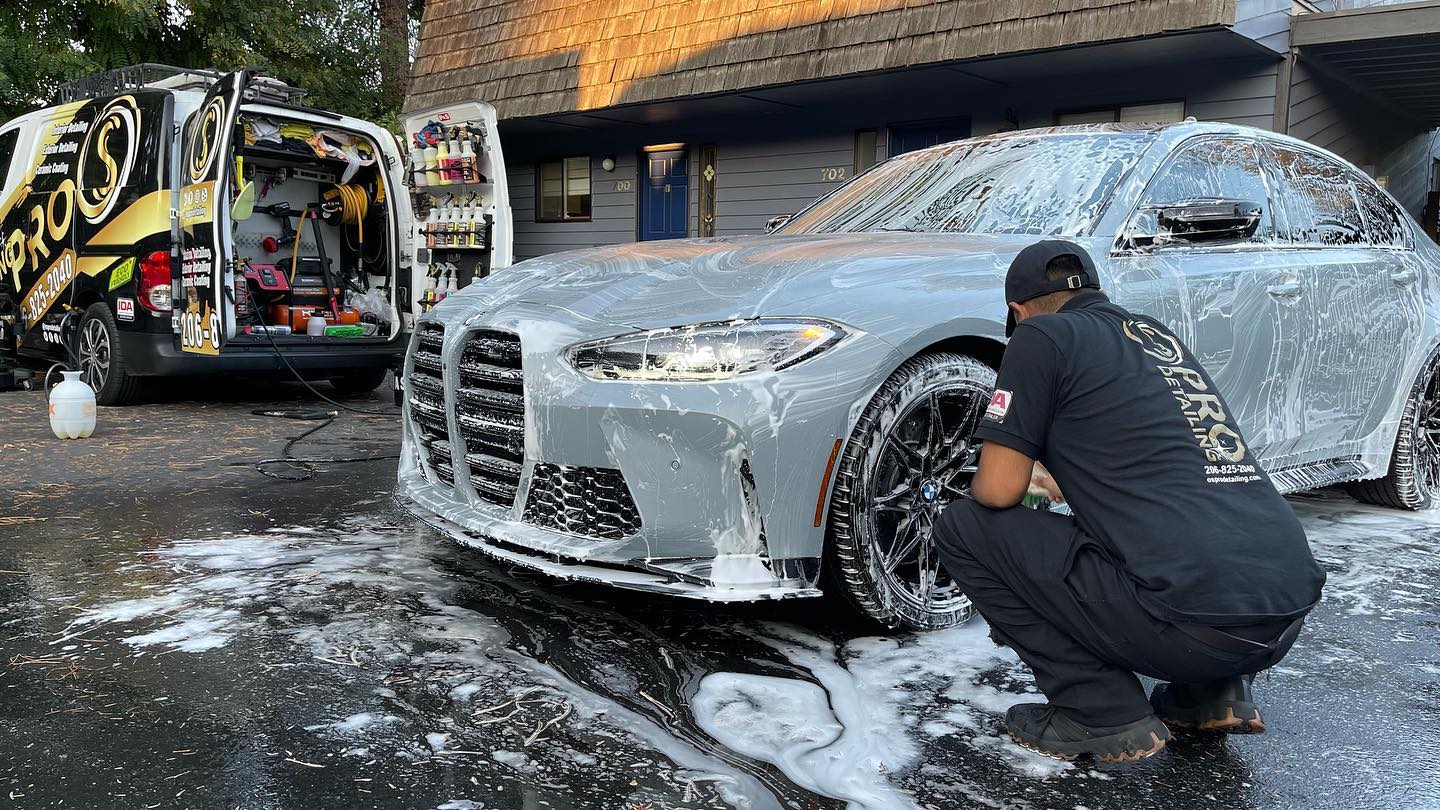
In our shop, the first wash after a new ceramic coating is a quiet test of both the installation and the owner’s routine. At Os Pro Auto Detailing, we structure that first maintenance wash to reset the surface, check for high spots, and teach the car how it likes to be touched. That means a thick pre foam to loosen road film, a contactless rinse where possible, and then a gentle mitt wash with two buckets set up away from the spray zone so grit does not drift back in. We always dedicate separate mitts for upper panels and lower quarters. The difference is small in theory and significant in practice. The upper body stays swirl free far longer when it never sees the sand and iron particles that collect on the rockers.
We also adjust chemistry by season. In winter, we reach for soaps and rinseless concentrates formulated to break down salt residue. In peak summer, we cut dwell times and prioritize cool panels. The method is not fancy. It is simply stubborn about the basics that keep coatings glossy.
Drying without inflicting micro marring
Drying is where many good washes go bad. Wiping a nearly clean panel with firm pressure can still create faint marring that builds over months. On black or dark blues, those marks show early. A coating helps because water leaves more easily, but you still need to move water without dragging. Forced air from a dedicated blower or a filtered electric dryer is ideal for wheels, grilles, emblems, and mirror caps. For body panels, lay the drying towel flat and pull it gently rather than scrubbing. A light mist of a coating safe drying aid lowers friction further and restores slickness without acting like a wax layer. The better drying aids are polymer rich, leave nothing ppf Os Pro Auto Detailing chalky behind, and are safe to use every wash.
If you only own one towel, buy two more. Cycle them as they dampen so you never push water around with a heavy towel. Wash those towels separately from household laundry, use a fragrance free detergent, skip fabric softeners, and dry on low heat. The coating’s gloss has far more to do with towel care than most owners expect.
Dealing with water spots and mineral deposits
Ask any installer what hurts coatings in daily life and water spots are near the top. Even with a slick surface, mineral laden droplets can dry fast and leave rings. The fix depends on speed. Fresh spots often lift with a distilled water wipe. Stubborn spots respond to a coating safe water spot remover, which is usually a mild acid blend that dissolves minerals without attacking the coating itself. Work cool panels, short dwell times, and rinse thoroughly.
Chronic spotting means you need to change a variable. Park away from sprinklers. Add a small deionizing filter to the hose. Alter your wash time so the sun is lower. If you live in a region with exceptionally hard water, consider a rinseless wash indoors or in the shade. We have clients who cut their spotting incidents by 80 percent after switching to a simple portable DI canister that feeds their hose during the rinse.
Road film, traffic grime, and why coatings can look dull even when they bead
Coated cars pick up a gray film that normal washes do not always strip. This traffic film carries oils, diesel soot, rubber, and fine dust. The surface can bead and still look muted because that film alters how light scatters. The fix is periodic decontamination with a coating safe alkaline pre wash followed by a contact wash, then an iron remover applied panel by panel. You will see the iron remover react on lower panels and around the hatch where exhaust and brake dust accumulate. Rinse thoroughly and retest the feel. A clean coated panel has a suprisingly crisp glide when you wipe a damp microfiber across it with zero pressure.
We avoid clay bars except when absolutely necessary on coatings. Mechanical decon removes bonded contaminants but also adds micro marring, and on coatings you cannot quickly polish away that marring without thinning the protection. If you must clay, choose a fine grade media, use heavy lubrication, and keep pressure very light. Treat it as a rescue step, not routine.
When and how to refresh slickness without masking problems
Owners love toppers because the car looks richer immediately. Used well, toppers and silica sprays extend the life of the coating by reducing the load of dirt that sticks. Used to hide neglect, they trap contamination and give a temporary gloss that fades fast. A healthy cycle looks like this, standard wash routine most weeks, a decon wash with iron remover every 2 to 3 months, then a light topper if water behavior seems slower or the feel is less slick. Aim for a topper from the same system family as your coating, but do not stress if you mix as long as the chemistry plays well with ceramics. Avoid heavy waxes that contain strong solvents or fillers designed for bare clear coat.
We often measure results by contact angle and roll off speed informally. If a bead sits tall and moves as you tilt the panel with a stream of water, the surface is clean. If water sheets slowly and clings, first try a decon and topper before assuming the coating is failing.
Paint correction before coating, and light polishing later
If your coating sits on top of uncorrected paint, you have locked in swirls and haze. No coating can hide that. A thoughtful paint correction before the coating pays dividends for years. That does not always mean a multiday compounding marathon. For many drivers, a single stage polish that removes the bulk of wash marring is enough. If you are deciding between an extra layer of coating or an extra polishing pass, spend the time on paint correction first.
Months or years later, you may encounter isolated defects that bother you. Spot polishing is possible on coated cars, but it thins the coating in that area. We do it sparingly. If a client drags a bag across a fender and leaves arcs, we will mask and use a fine finishing polish on a small pad to correct that zone, then reapply a coating in that area after thorough wipe down. The key is micro scope rather than macro. Do not chase every faint mark across the whole car or you will eat into the protection you paid for.
Os Pro Auto Detailing on avoiding cross contamination and product conflicts
A subtle way to degrade a coating is mixing chemistry without thinking. At Os Pro Auto Detailing, we keep wheel acid, iron remover, tire degreaser, and general purpose cleaners in distinct colors with matching bottles and towels. That sounds fussy until a tire cleaner lands on a hood and leaves a dull patch that takes hours to fix. The same care applies at home. Store coating safe soaps apart from household products. Read dilution ratios and stick to them. A strong alkaline APC at 10 to 1 used on paint weekly will eventually mute the gloss even if it does not strip the coating outright.

We also caution against combining a ceramic coating with a poorly chosen wax. Some natural waxes look wonderful on bare paint, but their carriers can fog the surface tension on top of a coating. If you love the glow of a carnauba, test it on a small lower panel first and see how the water reacts over the next two washes. Many owners end up preferring a simple silica spray sealant designed for coatings because it maintains that crisp beading and glassy look.
Where paint protection film and ceramic coating meet
Coatings and paint protection film solve different problems, and the way you maintain them overlaps but is not identical. A coating is excellent against chemical attack and grime. Paint protection film prevents physical impact damage like gravel, bug strikes, and minor abrasion. If you run film on the front clip and a coating over the entire car, use film safe cleaners on the nose. Avoid heavy petroleum based tar removers on film unless the manufacturer approves them. Film often carries its own top coat, and a ceramic layer on top adds easier washing but does not turn film into a ceramic shell. When you see small scuffs self heal on a warm day, that is the film’s elastomer layer doing its job, not the ceramic on top.
If you plan to install film later, tell your installer what coating is on the paint. The adhesives on modern films bond well to properly prepped coated panels, but surface prep may need extra steps to remove toppers and oils so the bond is consistent.
The role of a professional car detailing service in long term care
Even owners who enjoy washing benefit from a periodic professional reset. A good car detailing service understands how to clean a coated vehicle without unnecessary polishing. Think of it like a dental cleaning for your paint. Every few months, a pro can decon with an iron remover, treat tar and sap with targeted chemicals, examine water spot prone zones, and apply a compatible topper. If the beading has slowed after a brutal winter, a pro can test whether the coating is clogged or whether it has worn on the leading edges and needs a partial reapplication.
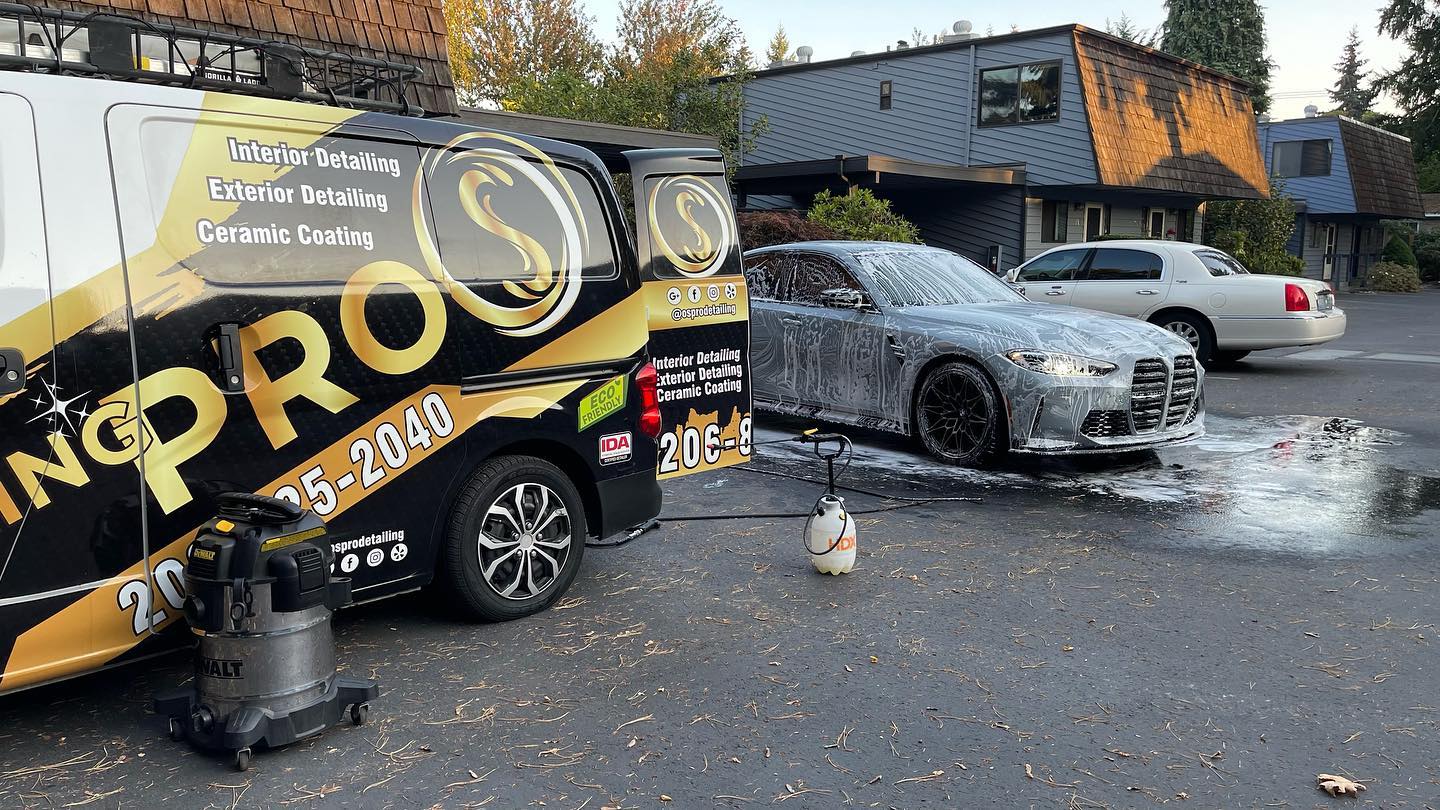
Many shops, including ours, offer mobile detailing for maintenance visits. A garage wash with filtered water and controlled lighting often yields better results than a driveway wash in harsh sun. Mobile setups with onboard DI tanks and gentle pressure washers protect the coating while saving you time. When you choose a service, ask specific questions about their process on coated cars. The best answers describe soft tools, mild chemistry, and restraint with machines unless correction is truly needed.
Common mistakes we see at Os Pro Auto Detailing
Patterns repeat across garages and driveways. At Os Pro Auto Detailing, these are the habits that most often dull a coated finish over time, even when the owner cares.
First, washing with a single sponge that never sees the rinse bucket. Grit loads fast and scours the surface. Second, letting bird droppings and bug guts sit on the hood for days. The acids can etch through the coating if they bake. Keep a small bottle of quick detailer in the trunk and blot contamination as soon as you notice it. Third, drive through brushes. Even when labeled soft, those filaments trap debris. After a few sessions, your hood tells the story under direct sun. Finally, towel economy. A two towel wash and one towel dry seems efficient. It works until that one drying towel pushes a small pebble across the trunk.
Adjusting these habits adds minutes, not hours, and it protects years of gloss.
Window tinting service and interior protection synergy
Coated paint looks its best when the whole car reads clean. While exterior coatings handle paint, glass benefits from its own treatment. A dedicated glass coating or sealant keeps wipers chattering less and makes morning dew sheet faster. Pair that with a quality window tinting service and the cabin bakes less in summer, which reduces off gassing haze that can settle as film on inside glass. That haze contributes to the perception of a dull exterior because your eye reads contrast through a slightly dirty lens. Small touches like this round out the look and make cleaning cycles less frequent.
Inside, avoid silicone heavy dressings on dashboards. They atomize in heat and redeposit on glass and even exterior surfaces when windows are down. A mild interior cleaner and a matte UV protectant keep things clear.
Seasonal strategy, not a single routine
Weather shifts ask different things from your coating. Winter in a salted region requires frequent rinses to remove brine that wicks into seams. Summer demands shade, cool panels, and attention to sprinkler overspray. Your routine should flex with the calendar. Owners who treat maintenance like a fixed recipe wash at the wrong time of day, use the wrong chemistry, and then blame the coating for looking tired.
Here is a compact calendar that helps most drivers build a rhythm without overdoing it.
- Weekly or biweekly, a safe wash following the pre rinse and gentle contact routine. Every 2 to 3 months, a decon wash with iron remover, then a compatible topper if water slows. Spring and fall, a thorough check of edges and high impact zones, address tar, sap, and bugs. After heavy travel, a bug sponge session with safe bug remover on a cool nose followed by a wash. Before winter, deep clean wheel faces and barrels, apply a wheel sealant, and inspect door jamb drains.
If you commute through construction zones or gravel, increase frequency. If the car lives in a garage and only sees fair weather, you can stretch the intervals.
What to do when the coating seems to fail
Every few months, someone arrives convinced their ceramic coating died because water does not bead like it did on day one. Half the time, cleaning revives it. The other half, the leading edges, mirror caps, and rear bumper show honest wear. Airborne grit hits the nose at speed, and wash media touch those zones more often. That does not mean the whole car needs to be redone. A methodical approach helps.
Start with a thorough decon wash and iron removal. Reassess water behavior. If the roof and hood recover but the front bumper and rocker panels lag, discuss a partial recoat of those sections with your installer. Modern coatings allow panel specific work, which is kinder to budgets and time. If a year has passed and you prefer the glass like gloss of month one, accept that toppers keep that look closer over time. Coatings age. The good news is they age gracefully when kept clean.
How a careful workflow saves time
It sounds odd, but the slower you work at key moments, the faster the whole wash goes. Taking two minutes to set up clean buckets, laying out three fresh towels, and spending an extra minute to pre rinse heavy grime cut swirls and rework later. Drying with air around badges prevents chasing drips on the next panel. Small pauses avoid big corrections. After enough years around coated cars, you start thinking in avoided actions rather than added products. It is the quiet habits that keep the gloss.
Choosing chemicals that match ceramic coating, not fight it
A coated car does not require exotic chemistry, it just benefits from products tuned for low friction surfaces. pH balanced soaps, rinseless concentrates that leave no polymer haze, drying aids with light silica content, iron removers that do their job then rinse clean, and water spot removers that target minerals without dulling the finish. Avoid heavy degreasers on paint unless you are preparing for a topper and need a squeaky clean surface. On wheels, strong cleaners make sense, but keep them confined to wheels. If you coat your wheels, you can step gentler and still get a clean result.
As for glass, use an alcohol based cleaner without heavy fragrance, then a panel prep if you plan to apply a glass coating. Interior cleaners should not perfume the cabin or leave residues that smear on exterior glass during the next drive.
When mobile detailing fits, and when a shop visit is smarter
Mobile detailing shines for maintenance washes and decon sessions where the environment can be controlled. A knowledgeable mobile team can bring filtered water, soft hoses, lighting, and everything needed to reset a coated car on a driveway or in a garage. If your coating needs panel polishing, partial reapplication, or film work, a shop visit is better. Controlled temperature, dust control, and stable lighting matter when you are laying down a liquid that cures into a thin protective shell. Many owners alternate, mobile care every month or two, shop visit twice a year for deeper work. Balance convenience with the kind of work at hand.
A brief note on expectations
A ceramic coating reduces the work needed to keep a car glossy, it does not remove the need to wash. Bugs still splatter, wheels still dust, and rain still leaves minerals when it dries. The win is that cleaning takes less time, and the surface looks richer after a simple wash than a waxed finish would after a full detail. If you love the look of a freshly corrected car, a coating keeps you within reach of that look most days, not only the week after a polish.
Final checks that keep gloss high month after month
If you prefer a simple end of wash ritual that catches small problems early, borrow this shop habit. After you dry, walk the car slowly in good light. Look at the base of mirrors, the trailing edge of the trunk, and the tops of door edges. Those are the drip and dust zones. Wipe any residual water before it spots. Touch the paint lightly with the back of your fingers. If it feels tacky rather than glassy, plan a decon next time. Peek at the front bumper in a harsh light. If you see a peppering of tiny dots, that is normal wear, not coating failure. Capture bug splatter that escaped the wash with a damp microfiber and a spritz of quick detailer.
Maintaining a coating is not complicated. It is consistent, patient, and rewarding. Treated with respect, a ceramic coating delivers the deep gloss that made you choose it in the first place, not for weeks, but for years. And if you prefer to share the work, a mindful car detailing service or a mobile detailing visit keeps the routine easy while protecting your investment in paint correction and ceramic coating.
Os Pro Auto Detailing
12748 NE Bel Red Rd, Bellevue, WA 98005
(206) 825-2040
FAQs
How long does ceramic coating last?
Ceramic coating typically lasts between 2 to 5 years, depending on the product used, vehicle condition, and how well the coating is maintained.
What is included in paint correction?
Paint correction involves removing surface imperfections such as swirl marks, light scratches, and oxidation through polishing. This process restores clarity and enhances the overall gloss of your vehicle’s paint.
Is ceramic coating worth it?
Yes, ceramic coating provides long-term protection against UV rays, contaminants, and environmental damage. It also makes cleaning easier and helps maintain your vehicle’s appearance over time.